
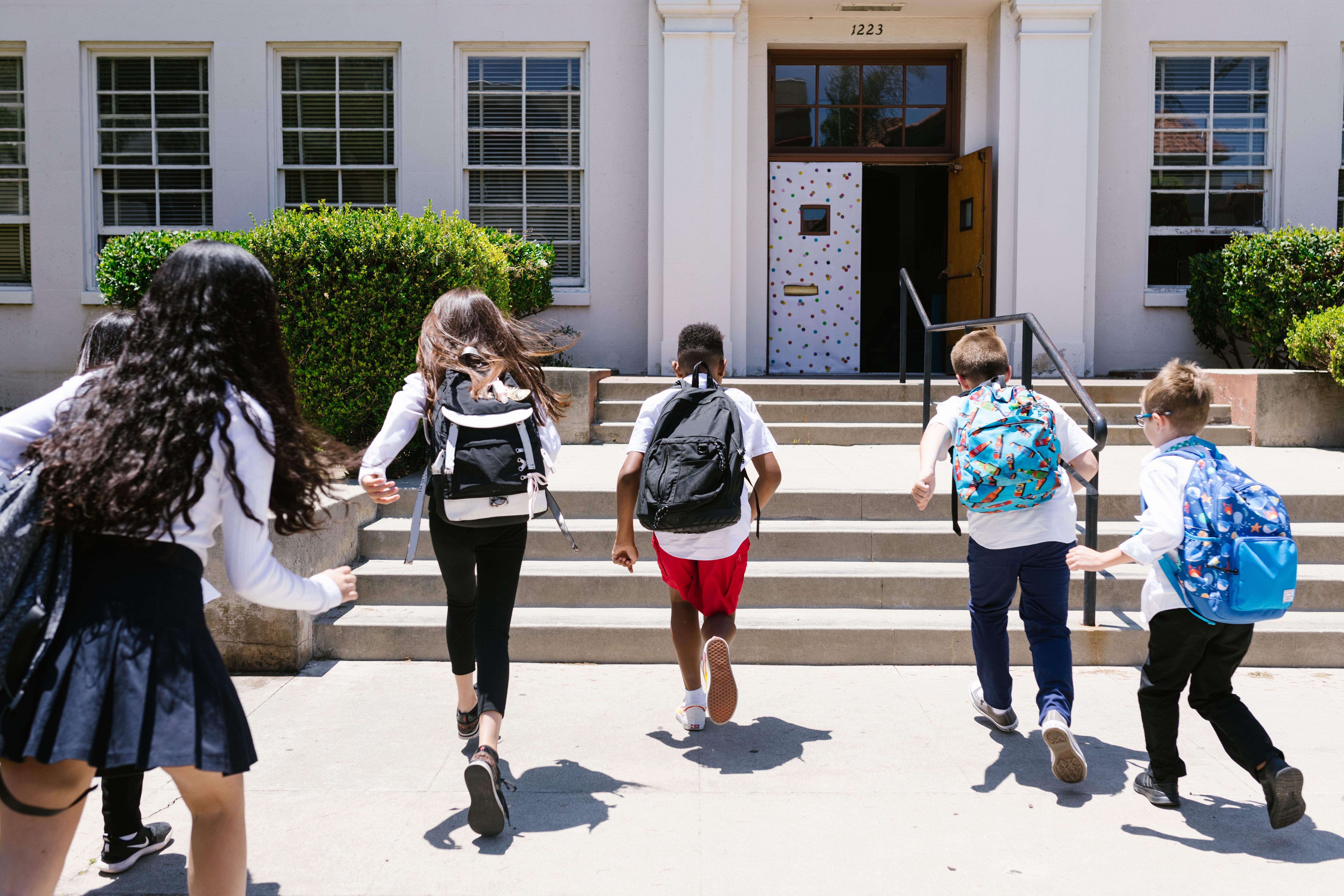
They begin with the decisions leaders make before teachers ever return.
Every school has a First Six Weeks plan.
Classroom expectations. Hallway procedures. Arrival routines. Professional development. Master schedules.
But here’s the question I rarely hear asked:
What’s your First Six Weeks relationship plan?
Not for students.
For adults.
Because before students ever experience your school culture, your staff will.
And the way adults experience the culture often becomes the culture students inherit.
Too often, school improvement plans focus on what adults need to do:
- Implement the curriculum.
- Analyze data.
- Increase engagement.
- Improve attendance.
- Differentiate instruction.
- Build relationships.
All important.
But far fewer plans consider what adults need to experience in order to do those things well.
Think about it.
We ask teachers to collaborate. To innovate. To take instructional risks. To engage in honest conversations about student learning. To repair conflict. To build meaningful relationships with students.
Those behaviors don’t grow out of compliance.
They grow in environments where people feel psychologically safe enough to think, reflect, ask for help, disagree respectfully, and make mistakes without fear.
In other words, they grow where there is relational safety.
Before you finalize your plans for next year, consider these five leadership questions:
1. How do I want my staff to feel when they walk into school on Day One?
Not what they’ll do.
What they’ll feel.
Will they experience belonging? Trust? Calm? Purpose? Connection?
If we can’t answer that intentionally, we’ll leave it to chance.
2. What leadership behaviors will create that experience?
Culture isn’t built by mission statements.
It’s built by repeated interactions.
Ask yourself:
- How will I respond when someone makes a mistake?
- How will I invite differing opinions?
- How will I recognize effort, not just outcomes?
- How will I model regulation during stressful moments?
Your nervous system often sets the emotional tone for everyone else.
3. What routines will help adults stay regulated?
We carefully design routines for students.
Do we do the same for adults?
Simple practices matter:
- Beginning meetings with connection before logistics.
- Building reflection into professional learning.
- Creating predictable opportunities for staff voice.
- Normalizing asking for support.
These aren’t “soft” practices.
They’re conditions that allow adults to think clearly, collaborate effectively, and lead students well.
4. What happens after conflict?
Conflict is inevitable.
Disconnection doesn’t have to be.
The healthiest school cultures aren’t conflict-free.
They’re repair-rich.
People know they can address hard things, repair relationships, and move forward together.
5. What experience will teachers carry into their classrooms?
Every interaction between a leader and a teacher has the potential to ripple into dozens of interactions between that teacher and students.
If teachers consistently experience trust, curiosity, regulation, and belonging, they’re more likely to create those same conditions for students.
School culture isn’t something we ask teachers to build.
It’s something leaders model first.
One Practical Challenge This Summer
Before your staff returns, gather your leadership team and answer one question together:
When teachers leave the first staff meeting of the year, what do we want them to say they experienced—not just what they learned?
Write down five words.
Then examine every agenda, every welcome activity, every meeting, and every interaction through that lens.
Because people rarely remember every slide from the opening of professional development.
They remember how they felt.
And feelings shape beliefs.
Beliefs shape behaviors.
Behaviors shape culture.
The First Six Weeks don’t begin in August.
They begin with the emotional experience leaders intentionally create long before students arrive.
Reflection: What is one intentional decision you’ll make this summer to strengthen relational safety for your staff before the school year begins?





POST COMMENTS